


Nimesulide in the Treatment of Inflammation: Effectiveness and Precautions

Nimesulide is an effective NSAID used to reduce inflammation and relieve pain in conditions such as arthritis, tendinitis, and bursitis. The text outlines its mechanism of action, indications, potential side effects, and the importance of medical supervision. It also highlights Artflex Retard as a safe and effective treatment option.
More than 75% of Medicines Are Now Exempt from Taxes

The Federal Government expanded the list of substances exempt from PIS/Cofins taxes, adding 174 new items used in drug manufacturing. As a result, more than 75% of medicines sold in Brazil now receive the tax benefit. The measure follows public-health criteria and aims to lower consumer prices, with ANVISA ensuring that tax reductions are fully reflected in product pricing.
Psychological Impact of Breast Cancer: Addressing Emotional Challenges

Breast cancer brings significant emotional challenges, often causing fear, anxiety, and sadness. Physical changes and treatment uncertainty affect self-esteem and relationships. Psychological support, support groups, and self-care strategies are essential for improving mental health and overall well-being during and after treatment.
What Is Nimesulide and What Is It Used For?

Nimesulide is a non-steroidal anti-inflammatory drug widely used to relieve muscle pain, headaches, dental pain, and postoperative discomfort, as well as to reduce inflammation in conditions such as arthritis, tendinitis, and bursitis. Although effective and known for its favorable gastrointestinal safety profile, its use should always be guided by a healthcare professional. Reading the leaflet, following the recommended dosage, and avoiding self-medication are essential precautions. For those seeking a modern nimesulide-based option, Artflex Retard stands out for its prolonged action and proven effectiveness in managing pain and inflammation.
Government expands tax exemption for medicines
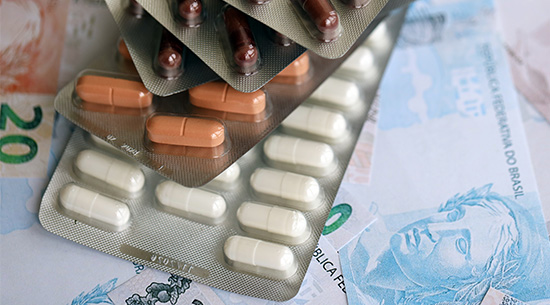
A new decree published in Brazil’s Official Gazette expands the list of substances exempt from PIS/Cofins taxes in medicine manufacturing, adding 174 items and raising the total to over one thousand. As a result, 75.4% of all medicines sold in Brazil are now tax-exempt, provided they require a medical prescription, carry red or black labels, and are intended for domestic sale. The selection prioritizes essential drugs, chronic and degenerative disease treatments, and medications aligned with public health policies. ANVISA will update product prices for companies already under the special tax regime and ensure that tax reductions are fully reflected in price ceilings. Eligible pharmaceutical companies not yet in the program may apply for inclusion through ANVISA’s website.